Research in Action


Research Brief -

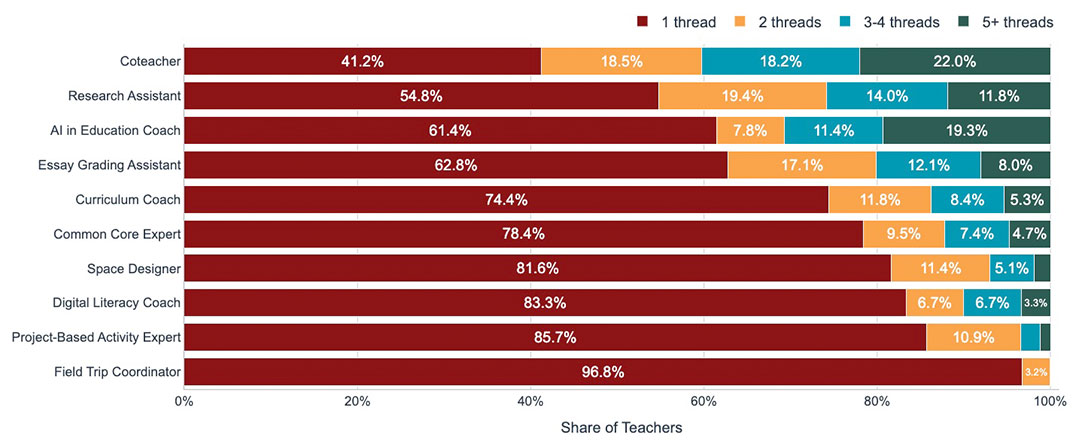
Since the release of user-facing generative artificial intelligence (AI) tools like ChatGPT in 2022, AI adoption has quickly permeated many sectors, including education. New EdTech platforms are constantly emerging, often designed to help teachers with tasks ranging from lesson planning to worksheet generation to assessment grading. The emergence of these new technologies spark both excitement and concern, not only in teachers and students, but also among parents and policymakers. Yet, we know little about what tools teachers are using, how much they are using these tools, and what implications this use has for student learning.

News and Announcements -

A new collaboration between Stanford’s SCALE and OpenAI, the creator of ChatGPT, strives to better understand how students and teachers use the popular AI platform and how it impacts learning

Education is one of the fastest-growing use cases of AI products. Students log on for writing assistance, brainstorming, image creation, and more. Teachers tap into tools like attendance trackers, get curriculum support to design learning materials, and much more.

Yet despite the rapid growth – and potential – a substantial gap remains in knowledge about the efficacy of these tools to support learning. 

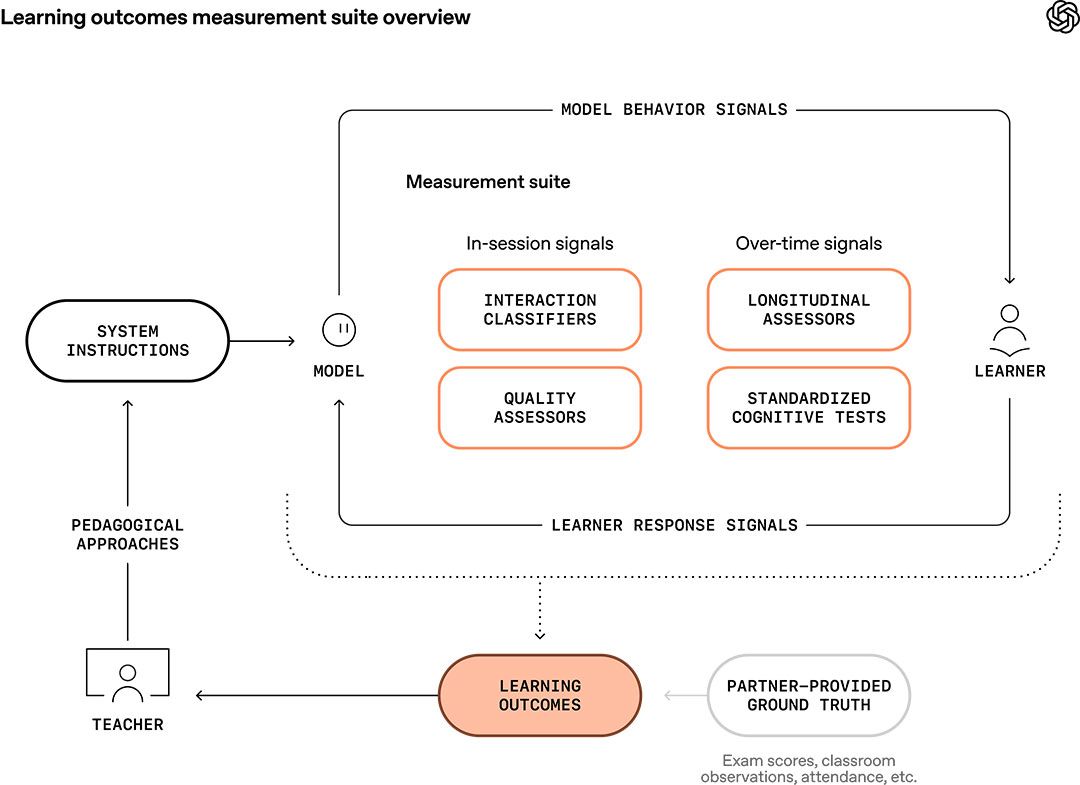
A new research project from the Generative AI for Education Hub at SCALE, an initiative of the Stanford Accelerator for Learning, aims to help fill that gap by studying how ChatGPT is used in K-12 education. In particular, the research will examine how secondary level teachers and students use ChatGPT. 


Research Brief -

This study provides compelling evidence that tutoring can do more than boost test scores; it can actually get students back in the classroom. On average, students were 1.2 percentage points less likely to be absent on days when they were scheduled to receive tutoring, suggesting that they are motivated to participate in tutoring. This impact was even greater for middle schoolers and students who’d missed more than 30% of school days the prior year. The study also found that the design matters: tutoring only improved attendance when it combined at least two evidence-based features like small groups, frequent sessions, and in-school delivery.